
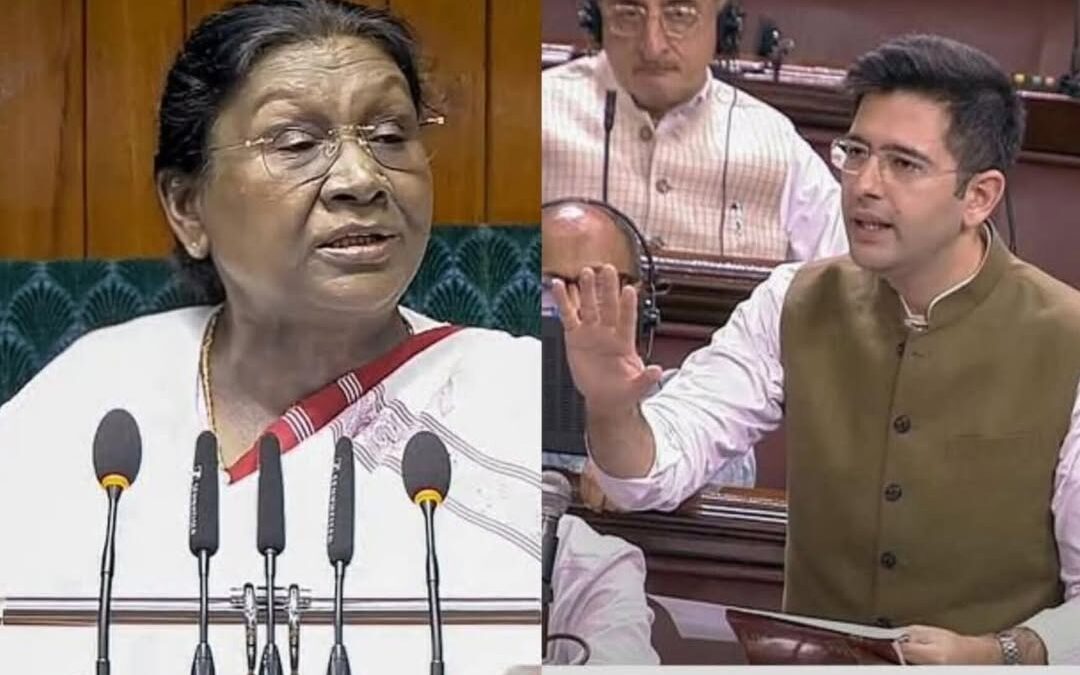
A thought-provoking question raised by Raghav Chadha is sparking a fresh national debate: if fingerprints are required for essentials like ration, urea, and pensions—why not for voting?
Today, biometric authentication has already become a backbone of many welfare schemes, ensuring that benefits reach the right person while reducing leakages and fraud. From ration distribution to pension transfers, this technology has brought greater transparency and accountability into the system.
Supporters of biometric voting argue that it could further strengthen the electoral process—curbing fake voting, eliminating duplication, and increasing overall trust in elections. In their view, leveraging technology is the next step toward a more secure and efficient democracy.
However, concerns remain equally important. Voting is not just a process—it is a fundamental right that depends on privacy and secrecy. Large-scale biometric implementation raises questions about data security, exclusion risks, and whether every citizen can be seamlessly integrated into such a system without barriers.
This debate reflects the evolving nature of democracy—where innovation must walk hand in hand with rights. The real challenge lies in finding the balance: strengthening the system without compromising the very principles it stands on.
#RaghavChadha #ElectionReforms #IndianDemocracy #VotingSystem #Technology #Governance #RightToVote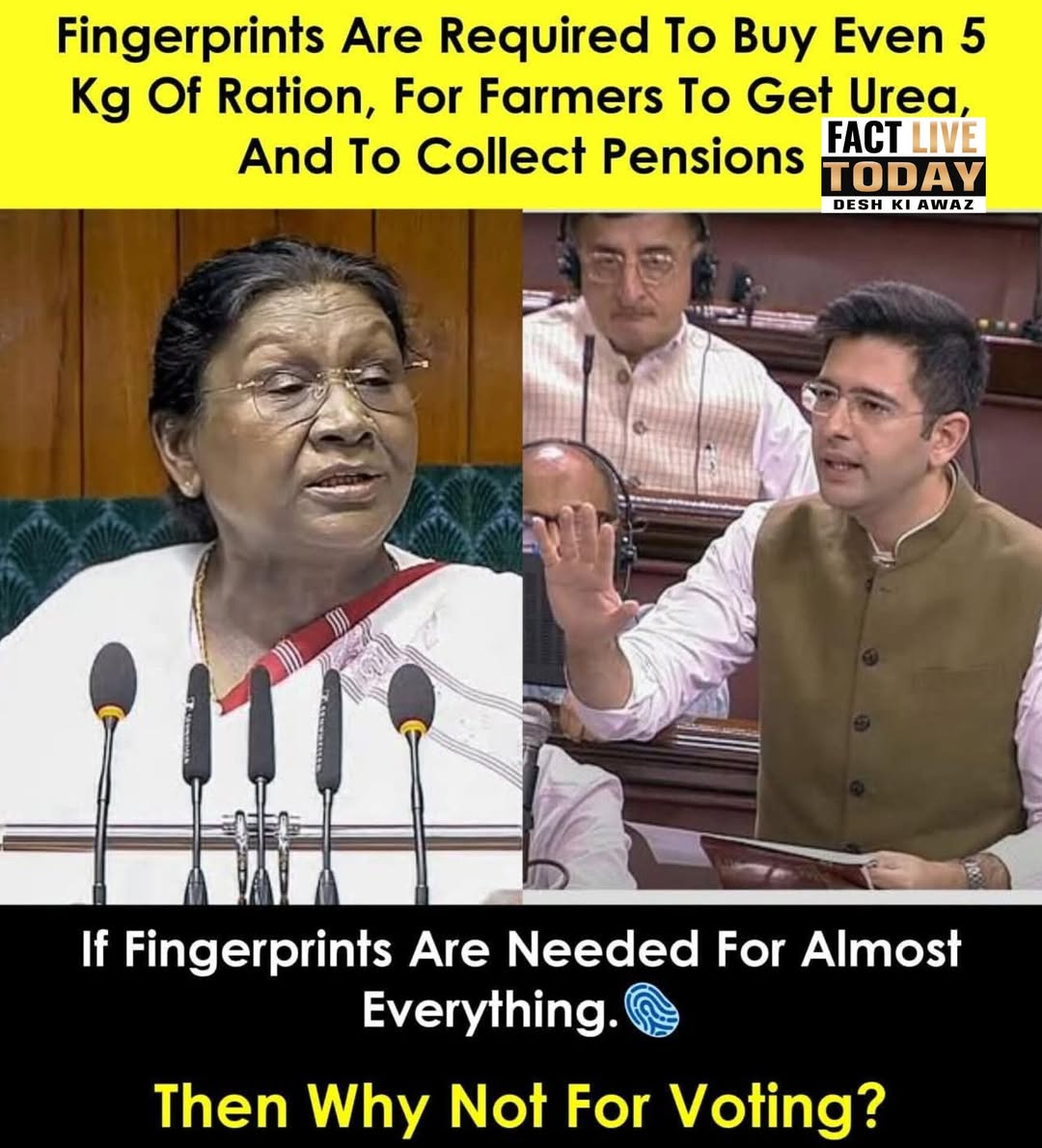
Source link